
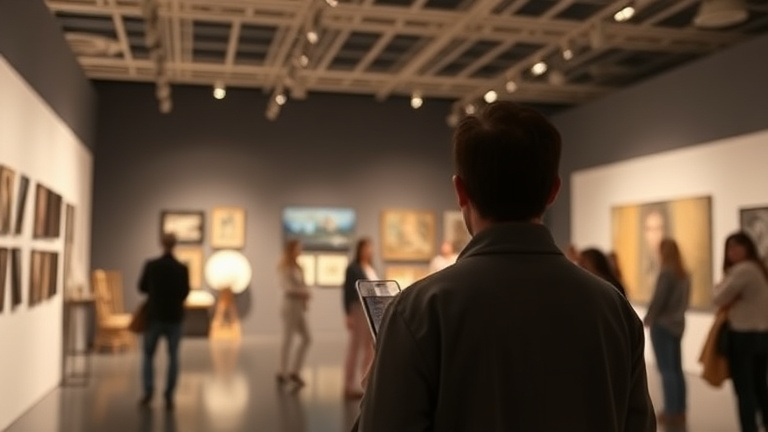
Museums encounter significant hurdles in drawing and maintaining visitors in the modern digital era. Yet forward-thinking leaders across the country are identifying compelling methods to transform their institutions into vibrant community hubs. From leveraging social media and creating interactive experiences to working alongside neighborhood institutions and reimagining exhibits, these professionals are successfully deepening connections with diverse audiences. This article explores proven tactics that museum professionals are adopting to drive foot traffic, build authentic connections, and guarantee organizational success for generations to come.
Establishing Inclusive Programming
Museum directors acknowledge that inclusive programming is essential for attracting diverse audiences and fostering genuine community connections. By designing exhibitions and events that reflect the diverse interests, backgrounds, and abilities of their communities, museums can create inclusive environments where everyone feels valued. This approach extends past simply opening doors; it involves deliberate selection, accessibility considerations, and programming that speaks to different demographic groups and cultural perspectives.
Well-designed diverse programming initiatives requires museums to listen actively to their constituents and adapt accordingly. Directors are gathering feedback through surveys, facilitating discussion groups, and creating advisory committees that incorporate voices from marginalized communities. This community-centered strategy ensures that programming decisions reflect authentic community needs and preferences, resulting in greater participation and stronger connections across all population segments and economic circumstances.
Family-Oriented Programs
Family-focused initiatives have become foundational approaches for museums aiming to build lasting relationships with younger audiences and their parents. Directors are creating interactive exhibits, hands-on workshops, and storytelling sessions purposefully crafted to engage children while maintaining educational depth for adult visitors. These programs acknowledge that families represent a significant attendance opportunity and that favorable early encounters often develop into lifelong museum patrons and champions.
Modern museums are extending family programming outside of traditional gallery spaces through outdoor experiences, online platforms, and community events. Many institutions provide reduced-cost family passes, complimentary entry evenings, and special programming during school holidays to eliminate financial barriers. By developing memorable multigenerational experiences, museums strengthen family bonds while nurturing the next generation of involved community members and community stakeholders.
Learning Partnerships
Educational collaborations serve as a key pathway for museums to expand their reach and deepen community engagement. Directors are collaborating with schools, universities, and educational organizations to integrate museum collections into course content and establish field trip opportunities that enhance student academic growth. These partnerships provide students with practical educational learning experiences while generating regular visitor attendance and showcasing the museum’s commitment to educational quality and community development.
Beyond traditional school partnerships, museums are forging connections with adult education programs, job training initiatives, and community colleges. These partnerships allow museums to serve diverse learner groups and position themselves as vital educational institutions within their communities. By aligning programming with educational standards and community learning goals, museums strengthen their importance and secure support from learning sector partners and grant-making bodies.
Using Digital Platforms and Social Media
In the modern connected world, museum directors understand that digital platforms are crucial tools for engaging wider audiences and creating authentic relationships. Social media channels empower museums to display collections, distribute insider content, and connect with visitors in immediate conversations. By maintaining active and dynamic online presences, museums expand their reach far beyond traditional venues, drawing new visitors who might never have encountered them otherwise. Focused digital marketing campaigns promote special exhibitions and events, creating buzz and anticipation among followers.
Leading museums are implementing varied online strategies that address diverse audience preferences and demographics. Virtual tours, broadcast events, and interactive online content allow people worldwide to experience exhibitions from home. Museums are also using data insights to track audience engagement patterns, supporting personalized marketing approaches. Email communications, podcast series, and smartphone applications sustain visitor engaged between visits. These technological enhancements complement traditional marketing while opening new routes for participation and participation.
- Develop engaging Instagram content highlighting curated selections and professional commentary.
- Conduct real-time discussions with professionals on Facebook and other platforms.
- Develop immersive online experiences open to global audiences online.
- Use strategic ad campaigns to connect with defined populations interested in museums.
- Share community submissions from guests to strengthen meaningful community bonds.
Crafting Unforgettable Visitor Moments
Museum directors acknowledge that designing engaging encounters is essential to cultivating dedicated visitors and promoting return attendance. By focusing on personalized interactions, hands-on exhibits, and narrative-driven experiences, museums convert passive viewing into meaningful participation. Directors establish specialized tours focused on specific interests, interactive sessions, and exclusive collection tours that enhance visitor bonds to collections. These experiential approaches resonate especially among families and younger audiences, building emotional connections that go well past the museum walls and create authentic word-of-mouth marketing.
Technology plays a vital role in improving visitor experiences without compromising the human element. Museums utilize immersive digital tools, handheld navigation apps, and interactive digital displays that complement traditional exhibits and cater to diverse learning styles. Directors stress that unforgettable visits also necessitate attention to essential amenities: welcoming spaces, easy-to-follow signage, approachable team members, and thoughtfully designed spaces for reflection. By prioritizing visitor comfort and engagement at every interaction point, museums create meaningful encounters that transform casual visitors into enthusiastic ambassadors and community ambassadors for their institutions.
